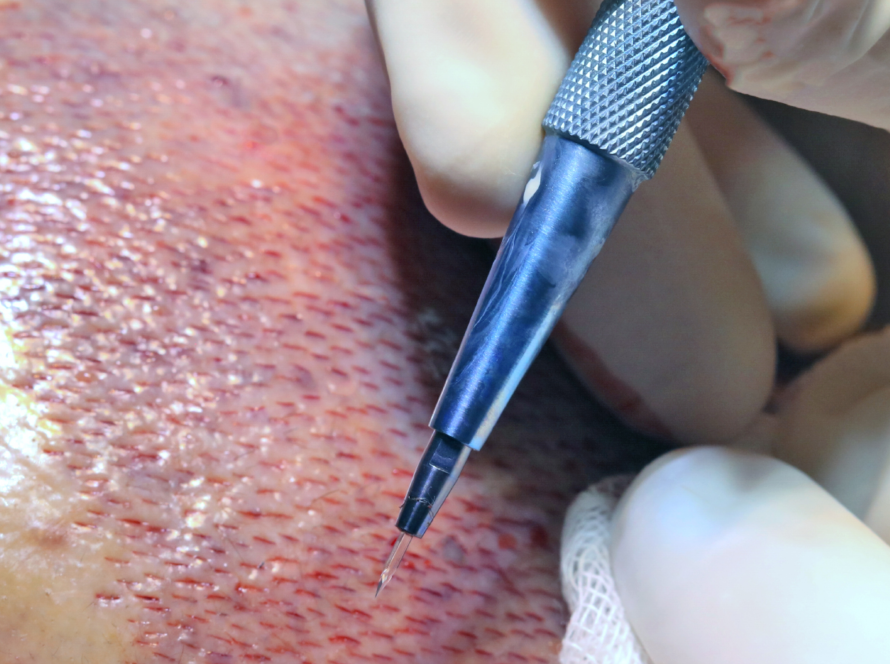

If you’ve recently had a hair transplant, one of the most common questions is:
“When can I go back to the gym?”
It’s completely understandable—you don’t want to lose your routine or progress. But taking a short break from intense exercise is essential to protect your results.
In this guide, we’ll walk you through exactly when it’s safe to return to the gym after a hair transplant, and more importantly, why timing matters medically.
After a hair transplant, your scalp is in a delicate healing phase. The newly implanted grafts are fragile and need time to settle securely.
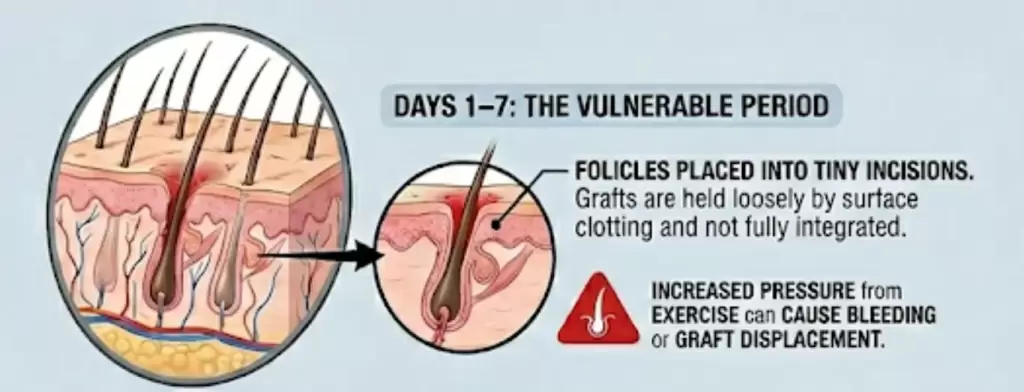
Here’s what happens medically:
1.Grafts Need Time to Anchor
Each transplanted hair follicle is placed into tiny incisions.
- In the first 7–10 days, grafts are not fully fixed
- Increased blood pressure from exercise can cause bleeding or graft displacement
2. Sweating Increases Infection Risk
This is one of the biggest concerns.
- Sweat contains salt and bacteria from the skin
- Heavy sweating creates a warm, moist environment
- This increases the risk of infection or folliculitis
If infection occurs, it can damage or kill the transplanted follicles, affecting your final results.
3. Increased Blood Flow Can Cause Swelling
Exercise raises your heart rate and blood circulation.
- This can worsen post-operative swelling (oedema)
- It may delay healing and increase discomfort
4. Risk of Physical Trauma
Gym activities can unintentionally harm the scalp:
- Touching, rubbing, or pressure
- Wearing tight headgear
- Accidental bumps during workouts
Even small trauma can affect graft survival in the early stages.

Your Timeline: When to Return to the Gym
For the first 14 days:
- ❌ No gym
- ❌ No sweating
- ❌ No sports
✅ You can do light walking outdoors
Week 3: Light Exercise Only
From week 3, you can slowly reintroduce movement:
- Light cardio (walking, slow cycling)
- Gentle stretching
⚠️ Avoid:
- Heavy lifting
- High-intensity workouts
- Anything that causes sweating
By week 4, most patients can safely return to:
- Weightlifting
- Cardio
- Regular gym routines
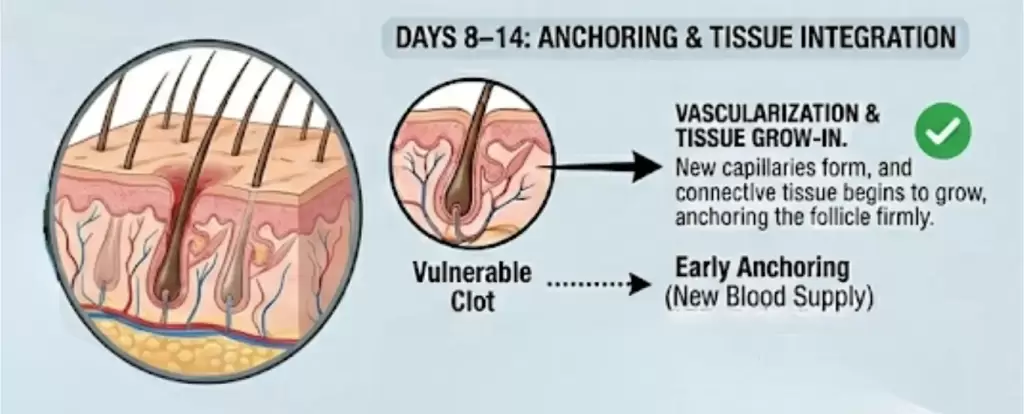
At this stage, grafts are securely anchored, and the risk of damage is significantly lower.