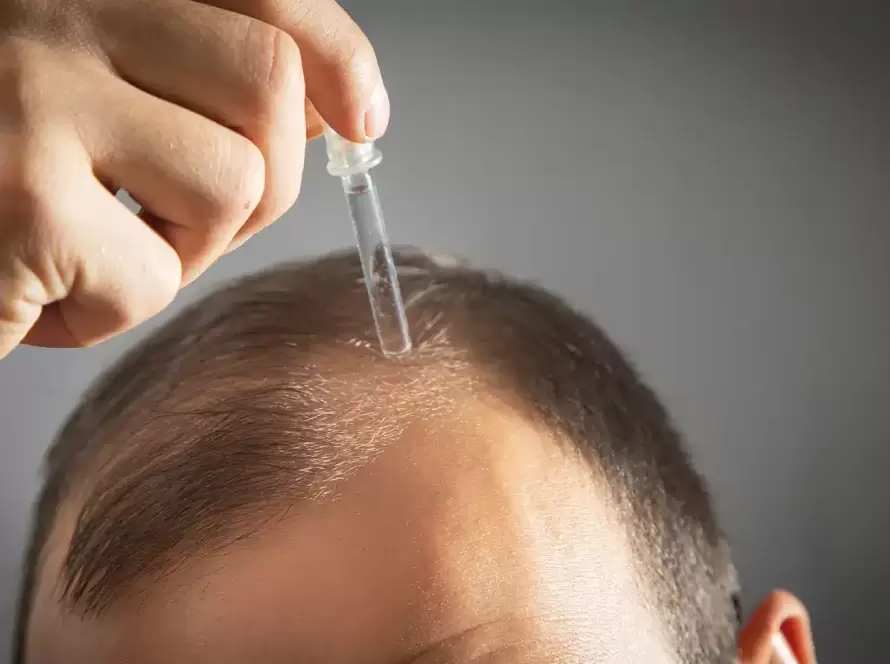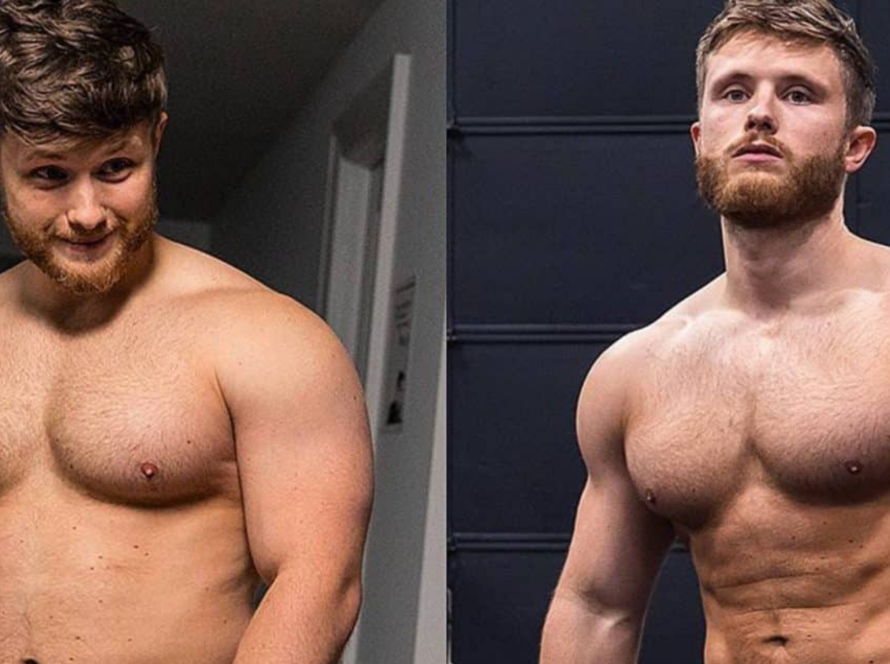

Two of the most talked-about hair loss treatments in the UK — but they’re not interchangeable. They solve different problems. Here’s how to tell which one applies to you.
The Key Difference
It all comes down to whether your follicles are still alive.
- PRP therapy targets follicles that are still active but weakening. It strengthens them, slows shedding, and helps preserve the hair you have.
- Hair transplant surgery is for follicles that are permanently gone. It physically relocates healthy follicles from your donor area into bald or thinning regions.
PRP cannot restore hair where follicles have already died. A transplant makes no difference to follicles that are still alive. They work on different cases entirely.
Which Is Right for You?
- Choose PRP if you’re in the early stages — general thinning, mild shedding, and follicles that still need support rather than replacement.
- Choose a hair transplant if you have bald patches, a significantly receded hairline, or areas where no amount of stimulation will bring hair back.
Can They Be Combined?
Yes — and for many patients, this is the strongest approach. A transplant restores the areas that are gone; PRP supports the living follicles around them and helps newly transplanted grafts take hold more effectively.
At Clinic Center London, we include 3 PRP sessions in every hair transplant package for exactly this reason. It’s not an add-on — it’s part of how we give transplanted hair the best possible start.
What to Expect
PRP: Minimal downtime. Multiple sessions needed. Results build gradually and require maintenance.
Hair transplant: A few weeks of recovery. Initial shedding before regrowth. Full results visible at 12–18 months — and permanent once established.
Not Sure Where You Stand?
The right treatment starts with understanding your hair loss — how far it’s progressed and which follicles are still viable. A consultation at our London clinic will give you a clear picture and an honest recommendation, with no pressure either way.