
Getting a hair transplant is something you can prepare for, research and read about for
months. What is much harder to understand before going through it yourself is what happens
after the hair transplant.
The procedure itself happens in a day. The results don’t.
For me, the following 12 months became a process of taking photographs, checking the
mirror, wondering whether enough hair was growing and slowly noticing that my appearance
was changing.
I took regular photographs throughout my recovery because day-to-day changes were
almost impossible to see. Looking back at them now, they tell the story much better than my
memory does.
This is my 12-month hair transplant journey, month by month, from a patient’s point of
view.
Note: This is my personal hair transplant experience, not medical advice. Hair
transplant recovery and growth timelines vary between patients.
Before the Hair Transplant: Why I Decided to Do It
Before my procedure, thinning across the frontal area had become increasingly noticeable.
The problem wasn’t simply having less hair. It was how much attention I was giving it.
Certain lighting made the thinning look worse. I thought about how I positioned my hair.
Photographs from the front weren’t always flattering. I found myself looking at other people’s
hairlines and comparing them with mine.
Eventually, I reached the point where I wanted to do something about it.
I researched hair transplant before and after results, different procedures, recovery times
and, probably more than anything else, the hair transplant growth timeline.
The transformations looked impressive.
What I didn’t fully appreciate was how much patience was required between the “before” and
the “after.”
And then I had the operation.
Month 1: The Beginning of the Recovery
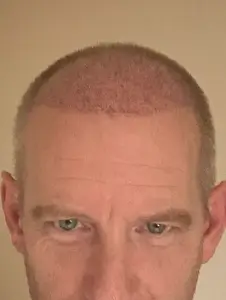
The first month felt much more like recovery than transformation.
At this point, I wasn’t expecting to look dramatically better. My attention was mainly on the
transplanted area and whether everything
seemed to be healing normally.
The hair was extremely short, which made the
scalp and differences in density much easier to
see.
After spending so much time researching hair transplants, actually seeing the newly transplanted area on my own head felt strange.
There was excitement because the procedure was finally behind me, but there was also uncertainty.
I knew this was only the beginning.
What I was thinking:
“The operation is finished. Now I just need to let everything heal and try not to judge the
result too early.”
Month 2: The Shedding Phase Was Harder Than I Expected
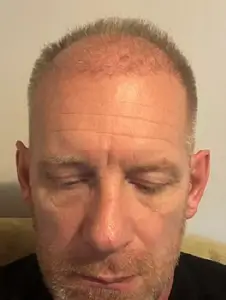
This was one of the psychologically difficult stages.
After having a hair transplant, your instinct is to expect more hair every month. Instead, the early period can
involve hair transplant shedding, sometimes called the shock-loss or shedding phase.
Seeing the transplanted area looking thin can therefore be unsettling.
Even when you have read about shedding beforehand, experiencing it yourself is different.
You start wondering:
Did the transplant work? Why does my hair look thinner? Shouldn’t I be seeing growth by
now?
This was when I had to remind myself that I was still very early in the process.
The photographs were useful because they stopped me from relying entirely on what I
thought I was seeing in the mirror.
What I was thinking:
“I knew shedding could happen, but knowing about it and actually seeing it are two different
things.”
Month 3: Waiting for Something to Happen
Month three felt like a waiting game.
The scalp had moved beyond the immediate
post-operative appearance, but I still wasn’t
anywhere close to what I would consider a finished
result.
Some areas appeared thin, and under bright
lighting the scalp remained quite visible.
This is probably one of the stages where patience
matters most.
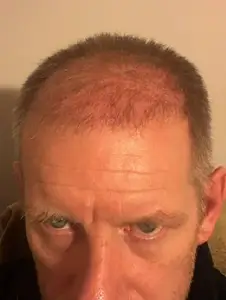
When you’ve invested money, time and emotion into hair restoration, three months can feel like a long time. But in terms of the hair transplant recovery timeline, it is still early.
I continued taking photographs.
There wasn’t a dramatic transformation yet, but I was starting to watch more closely for small
signs of new growth.
What I was thinking:
“Three months already. I really hope the next few months are when things start happening.”
Month 4: The First Signs of New Hair Growth
Around this stage, things became more interesting.
I started noticing hairs that seemed different from the existing hair around them. Some looked fine and short, but there appeared to be more activity across the transplanted area.

This was the first time I started feeling that the recovery stage might be turning into the hair
growth stage.
It still wasn’t dense.
It still wasn’t a finished hairline.
But seeing new hairs appear made an enormous difference psychologically.
Instead of wondering whether anything was happening, I could finally start looking forward to
what those hairs might become.
What I was thinking:
“Okay. I think I’m finally seeing new growth.”
Month 5: The Hairline Started Taking Shape
By month five, the frontal area was beginning to look more established.
There was still visible scalp, particularly under
strong lighting, but the overall outline of the hairline
was becoming easier to see.
This is where comparing photographs became
much more useful than checking the mirror every
morning.
When I looked at myself every day, progress
seemed slow.
When I compared month five with the earlier
photographs, the difference was much easier to
appreciate.

What I was thinking:
Month 6: The Halfway Point
Six months felt significant.
Half a year had passed since the operation, and my hair was beginning to have noticeably more presence across the front.
The difference wasn’t only the number of hairs. Some of the earlier growth seemed to be becoming stronger and more noticeable.
This was also around the point where styling started
becoming more rewarding.
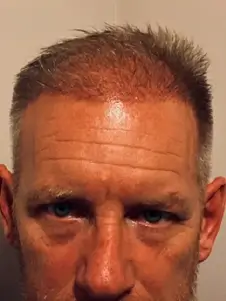
Earlier in the process, I was mostly documenting recovery.
Now I was beginning to think about how my hair actually looked.
Comparing my 6-month hair transplant results with the early photographs made the progress much clearer.
Was it the final result?
No.
But for the first time, I wasn’t just looking at transplanted hairs.
I was looking at a hairstyle beginning to return.
What I was thinking:
“Six months ago I was looking at a very thin frontal area. This finally feels like real progress.”
Month 7: Density Started Becoming More Noticeable
Month seven wasn’t as dramatic as going from shedding to new growth, but it was an important stage.
The difference was increasingly about hair transplant density.
There were more hairs contributing to the overall appearance, and the frontal area looked fuller than it had several months earlier.
This was also when I realised something interesting: progress became easier to see when I stopped checking constantly.

Looking in the mirror every day makes tiny changes almost invisible.
Comparing photographs taken several weeks apart tells a completely different story.
The transplanted area was beginning to blend more naturally with the surrounding hair.
What I was thinking:
“I’m starting to spend less time analysing individual hairs and more time just seeing hair.”
Month 8: Styling Became Much Easier
The hair could be styled rather than simply observed.
During the early months, almost everything revolves
Later, the questions change.
How should I wear it? Should I keep it shorter? What

The photographs from this period showed how much the overall appearance had changed compared with
the shedding and early-growth months.
I was becoming much more comfortable with the result.
What I was thinking:
“I’m finally thinking about hairstyles again instead of thinking about the transplant.”
Month 9: The Result Started Looking More Natural

At nine months, the biggest improvement for me was
how normal everything was beginning to feel.
The hairline no longer felt like a newly transplanted area that I needed to inspect constantly.
With more growth and length, the transition between transplanted and existing hair became less obvious.
This is an important part of hair transplant results after 9 months that photographs don’t completely capture.
Later, you simply start getting on with your life.
What I was thinking:
“I don’t check it every five minutes anymore. That’s probably one of the best signs of
progress.”
Month 10: Small Improvements Made a Big Difference

By month ten, the dramatic stages were behind me.
The interesting changes were subtler.
The hair appeared more established, and additional
thickness could make a surprisingly large difference
to how much scalp was visible.
Lighting still mattered, as it does with almost
anyone’s hair. Bright overhead lighting can make
hair look less dense than softer natural light, which is
why I tried not to judge progress based on a single
photograph.
Instead, I looked at the overall trend.
And the trend was clear.
Compared with the beginning of my journey, the frontal area had changed considerably.
What I was thinking:
“The improvements aren’t dramatic from week to week anymore, but comparing this with where I started is completely different.”
Month 11: Almost One Year After My Hair Transplant
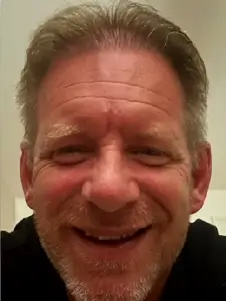
That was when the transformation really became obvious to me.
Now I had enough length and coverage to actually wear my hair rather than simply wait for it.
I also understood why documenting the process had been worthwhile.
Memory is unreliable.
Photographs aren’t.
What I was thinking:
Month 12: My Hair Transplant Result After One Year
And then I reached 12 months.
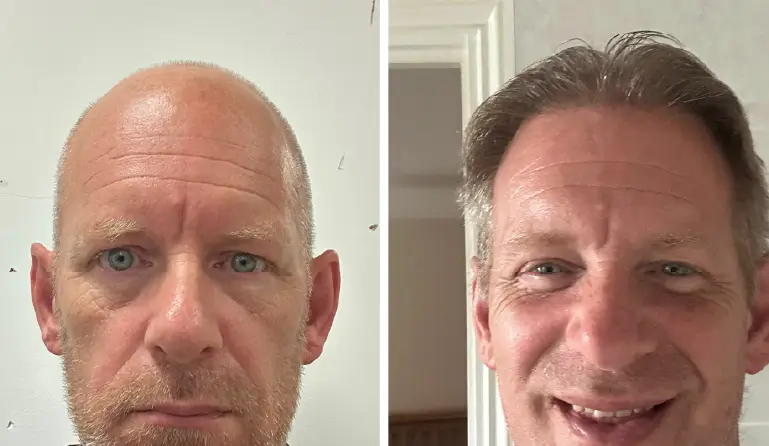
Looking at my hair transplant before and after photographs, the biggest difference wasn’t a single patch of hair or one particular part of the hairline.
It was the overall appearance.
The frontal area had significantly more coverage, the hair could be styled with greater freedom, and the transplant had become much less of something I consciously thought about every day.
Perhaps the biggest lesson from my one-year hair transplant journey was that hair restoration is a process rather than an instant transformation.
There were stages where I was excited.
There were stages where I was impatient.
There were stages where I wondered whether enough was happening.
And then there were stages when I realised I hadn’t thought about my hair for most of the day.
For me, that was an important part of the result.
What I Learned From 12 Months of Hair Transplant Recovery
Looking back, there are a few things I wish I had understood more clearly before starting.
Progress isn’t linear. Some months seemed to produce obvious changes while others felt almost static.
The shedding stage can test your patience. Seeing less hair after having a procedure designed to give you more hair feels counterintuitive.
Daily mirror checks aren’t useful. Changes happen too slowly to evaluate every morning.
Monthly photographs are incredibly valuable. Take them from similar angles and, ideally,
under similar lighting conditions.
Early growth isn’t the same as final density. New hairs can initially look fine and the
cosmetic appearance can continue changing as the hair grows longer and matures.
Most importantly, I learned that patience is a major part of the hair transplant experience.
Was My Hair Transplant Worth It After 12 Months?
For me, the answer isn’t based purely on counting hairs.
It’s about how differently I feel when I look at my hair now compared with before the procedure.
The journey required much more patience than I initially expected. The first few months were particularly deceptive because the appearance during recovery doesn’t tell you what the eventual result will look like.
That’s why I wanted to document the entire process rather than showing only a dramatic hair transplant before and after comparison.
The months in between are part of the story.
If you’re currently two, three or four months into your own recovery and constantly checking the mirror, remember that you’re looking at one moment in a much longer process.
Take photographs.
Give the process time.
And judge your own outcome according to the timeline and advice provided by your hair transplant surgeon rather than somebody else’s photographs.
One year later, I’m glad I documented mine.